
James Dawson
Derek vs Derek
Once the pollinators go, we'll all go with them
When I met Derek Gow's neighbor, Derek Banbury, I saw at once that there was an entirely different way to make the film. It was one of the best days of my life. I came away thinking: "here's a film that could be really exciting". I could explore what matters to me about biodiversity loss and tell the story of modern farming through the eyes of a farmer who believed in what he was doing and didn't understand what on earth the Derek next door was doing.
I make observational documentaries, so at the start I thought I'd find someone trying to restore biodiversity on their land. There's a whole movement in Britain, and maybe in America too, called Rewilding, where you take land that isn't the best for farming and give it back to nature. I talked to a number of people in the movement, and by far the most interesting was Derek Gow. He wasn't just closing the gate and letting nature get on with it, he was supercharging the process: digging ponds, releasing wild boar that ran around turfing everything up, and planning to repopulate the land with endangered native British species. And he's a great character. So I started filming with him, thinking his setbacks, his difficulties with his own staff, and his struggle to rejuvenate nature would be the guts of the film.

Then I met the other Derek. Both men made me laugh, and I've always made films with humor in them. I don't make films about murder and crime; I make films about basements and supermarkets or chocolate factories. If you're going to bring an audience along with you, you need to entertain them, and for me that has always meant humor. I loved Derek Banbury because he made me smile, because he was honest, and because he believed passionately in the need for food and farming. His thinking was the polar opposite of rewilding Derek next door. What’s more the two of them hadn't really talked. They had formed views about each other from a distance, but they had never sat down and discussed any of it properly. That was even better for me because I could look for ways to bring them into situations that would prompt discussion and also be very visual. For example, they talked about the impact of beavers whilst Gow showed Banbury the beaver dams that had been built on his land.
The film is funny, but there is a serious point at its heart. So many environmental films make me miserable, and here was a chance to entertain while telling a tricky story about food and nature. I believe there’s good scientific studies that shows people with fixed opinions are more likely to reconsider them when they're laughing and entertained - and challenged - than when they're pointed at and told they're wrong. Most people's response to being told they're wrong is "I have to defend my point of view". That doesn't always get the results you want.
The project took about four years to complete; much longer than I'd hoped. But the rewilding land needed time to flourish. When I started filming Gow had only just begun. The story needed to evolve. Plus over time Banbury began to realize the wildlife and insect populations that were missing from his own fields could be found on his neighbor's and that started to make him think.
Ongoing thread. More from James Dawson to follow.

Derek Banbury. © James Dawson
Curator: Bora Pajo
Derek vs Derek
Available here →November 13, 2026
20261113-dawson-derek-vs-derek-the-wide-angle
The wide angle
The rest of this thread
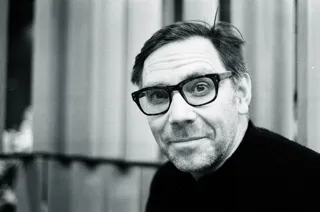
James Dawson
James Dawson – director. An experienced television documentary director with BAFTA award-winning series under his belt he has since moved into directing independent feature documentaries. The first - ‘Organ Stops: Saving the King of Instruments’ – was begun in 2018 and is about the plight of pipe organs in the UK. The film follows obsessive enthusiasts who scour the country spotting and saving precious pipe organs from churches that are closing, before the bulldozers move in. Shown at film and music festivals in US and UK, the film was eventually bought and screened by the BBC on Christmas Eve 2023.
Production of his latest film Derek vs Derek started in 2022 and has been completed in January 2026.
Pull this thread
The villain of nature's collapse is the farming system governments built, not the farmers who run it.
More in Arts
More in Books
Know something the rest of us don't?
Most threads on Rorotoko begin with our invitation. Any thread can begin with a proposal: you write it with the same prompts every thread answers, and we review it.
Propose a thread →