
Richard Schweid
Life on the Octopus Farm: The Ethics and Future of Growing the World's Most Intelligent Invertebrate
This is a book about efforts around the globe to develop an octopus aquaculture. Efforts to farm octopus have been going on for more than fifty years, but nowhere has a commercially viable octopus aquaculture been developed. Work, however, continues, and it is probable that within the next decade farm-raised octopus will be available in your supermarket. I traveled to Mexico, Spain and Japan to examine these efforts, interview would-be octopus farmers, scientists, and people who eat wild-caught octopus, as well as explore the cultures of these places.
Additionally, the book looks at why people choose to eat, or not eat, certain foods. What is the psychology of taste? The wild-caught octopus market is worth nearly four billion dollars according to most estimates, so a lot of money stands to be made by anyone who is finally able to successfully farm them. But is it ethical to farm a short-lived, asocial animal that is the most intelligent invertebrate in the world just to satisfy a market for high-end consumers?
For non-meat eaters, obviously not. For those carnivores among us, there are some good reasons to view octopus as an ethical food choice: in the wild, 95% of newly hatched octopuses will be eaten before they reach adulthood, and farming would give them a chance to grow up. In addition, the octopus’s conversion rate of feed to meat is much better than livestock like cows or pigs, making them a more environmentally sustainable choice. And, the meat is high in healthy proteins and omega-3s, with no fat or bones.
What’s more, as my time working on an octopus farm on Mexico’s Yucatan peninsula taught me, a successful farming operation could create a new source of income for desperately poor people. Around the world, the annual catch of wild octopus is declining annually, and would-be farmers maintain that octopus aquaculture would allow wild stocks to make a comeback.
Ongoing thread. More from Richard Schweid to follow.
Curator: Bora Pajo
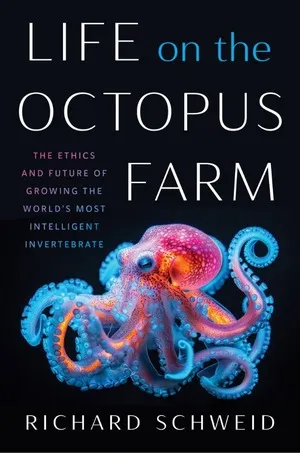
Life on the Octopus Farm: The Ethics and Future of Growing the World's Most Intelligent Invertebrate
Schweid, R. (2026). Life on the octopus farm: The ethics and future of growing the world's most intelligent invertebrate. University of North Carolina Press.
Available here →October 21, 2026
20261021-schweid-life-on-the-octopus-farm-in-a-nutshell
In a nutshell
The rest of this thread
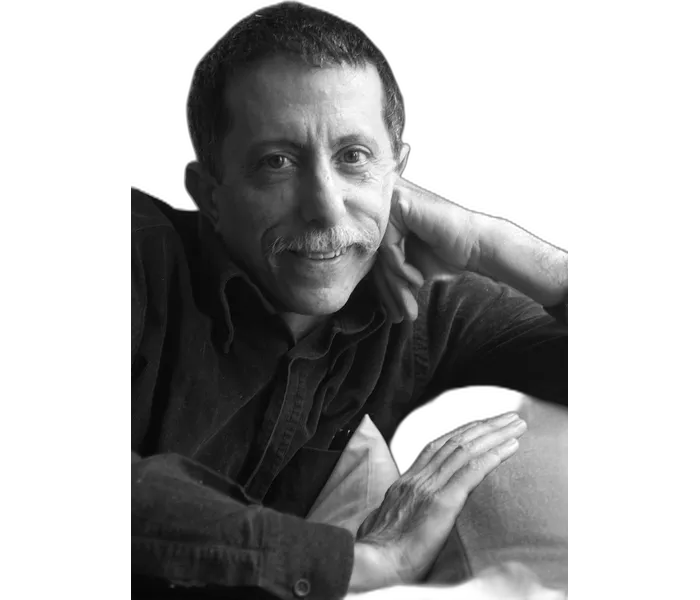
Richard Schweid
Richard Schweid is an author and journalist who has published over a dozen books of creative nonfiction and whose work has appeared in numerous magazines. He lives between Barcelona, Spain and coastal Rhode Island.
Pull this thread
The ethical case against farming octopus is weaker than its cultural momentum suggests.
Know something the rest of us don't?
Most threads on Rorotoko begin with our invitation. Any thread can begin with a proposal: you write it with the same prompts every thread answers, and we review it.
Propose a thread →