
.webp)


This week's threads
All the threads →.webp)


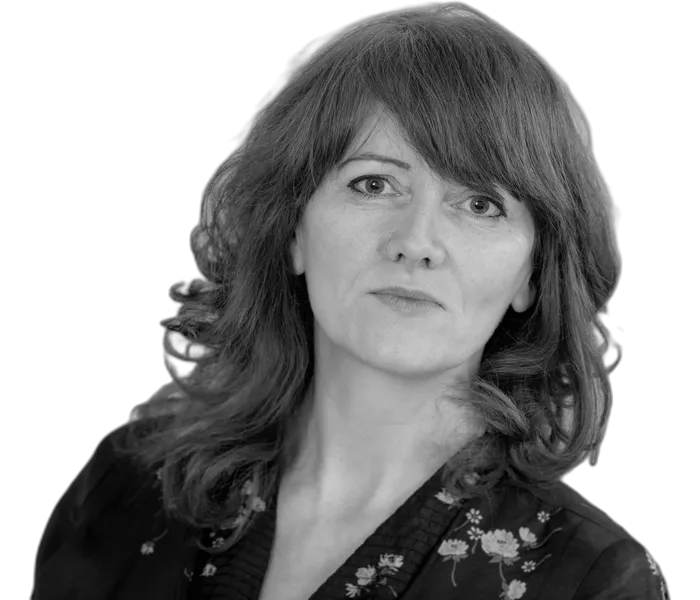
Matthew Botvinick
Books /
Matthew Botvinick
The bottom line is this: AI safety absolutely requires constitutional democracy.
A perfectly safe AI in the hands of an authoritarian state is not safe at all. The case for treating legal and constitutional repair, from emergency powers to surveillance law, as AI safety work.
AI and Political Freedom: The Risk to Democracy and How to Respond
20261026-botvinick-ai-and-political-freedom-in-a-nutshell

Charlie Parr
Arts /
Books /
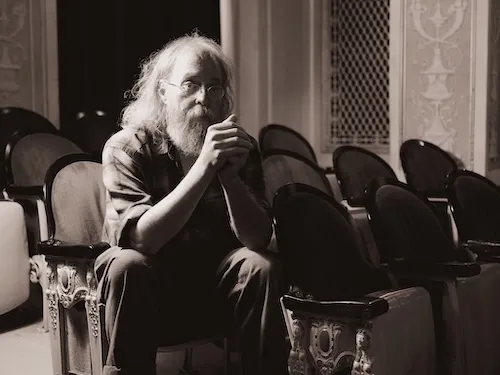
Charlie Parr
I didn’t write this about the world, I wrote it about myself.
Depression-era slogans that haunted a meatpacking neighborhood, and years of outreach work on cold northern streets, taught one lesson above all: empathy. Today it is treated as weakness.
Rooming House
20261026-parr-rooming-house-the-wide-angle
Timothy Lang
Research /
Books /
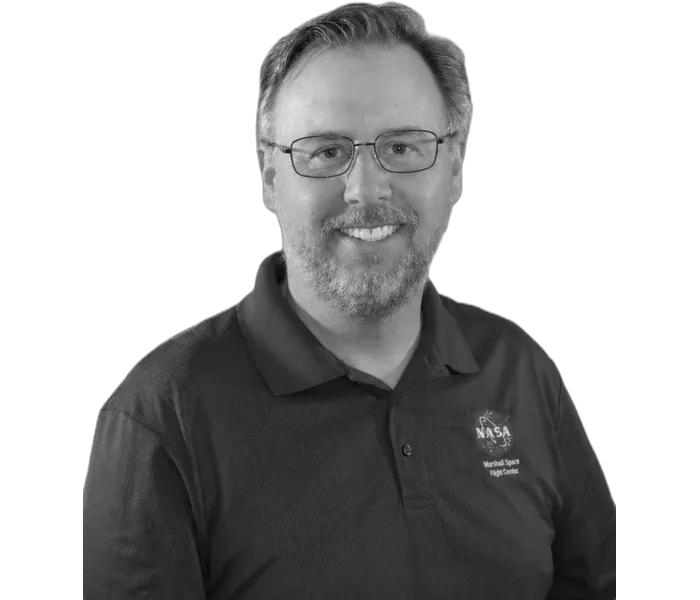
Timothy Lang
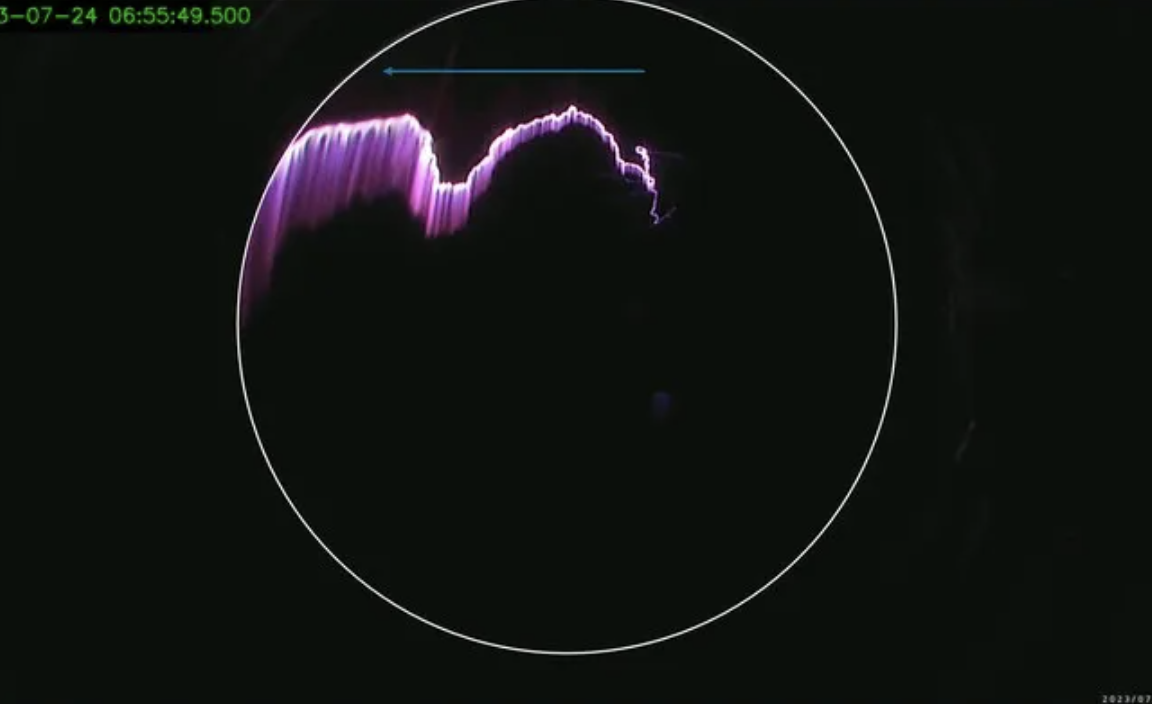
The evidence was overwhelming; an upward lightning discharge from the top of the storm had hit the ER-2.
Months after a campaign hunting gamma-ray flashes, a researcher spotted pulses too fast to come from inside a cloud. A camera that usually showed only black at night turned out to hold the first record of such a strike.
Detection and Analysis of an Upward Jet-Like Electrical Discharge Intercepting a High-Altitude Research Aircraft
20261025-lang-detection-and-analysis-of-an-upward-jet-like-electrical-discharge-intercepting-a-high-altitude-research-aircraft-the-wide-angle

Geoff Tomaino
Research /
Books /
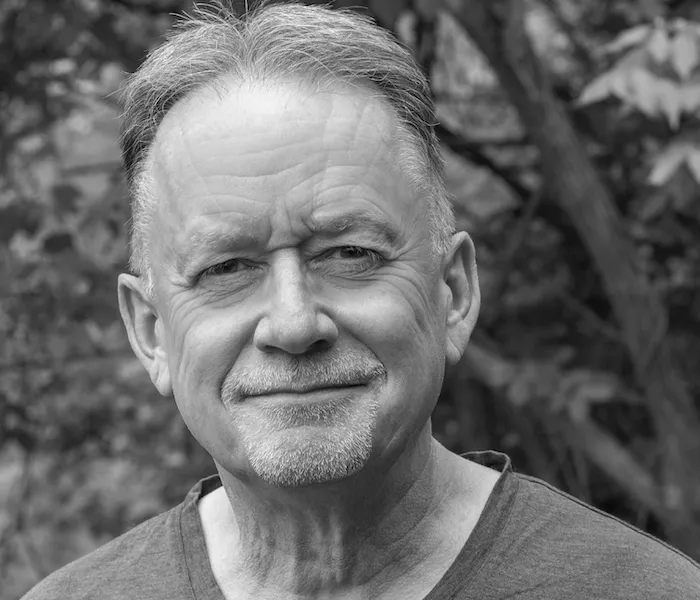
Geoff Tomaino
People Don’t Want to Argue with AI, and That Makes Them More Persuaded by It
When people believe they are talking to an AI rather than a person, they push back less and change their minds more. The persuasive edge comes from the listener, not the machine.
From People to Prompts
20261024-tomaino-from-people-to-prompts-in-a-nutshell
%20copy.png)
Sine Plambech
Arts /
Books /
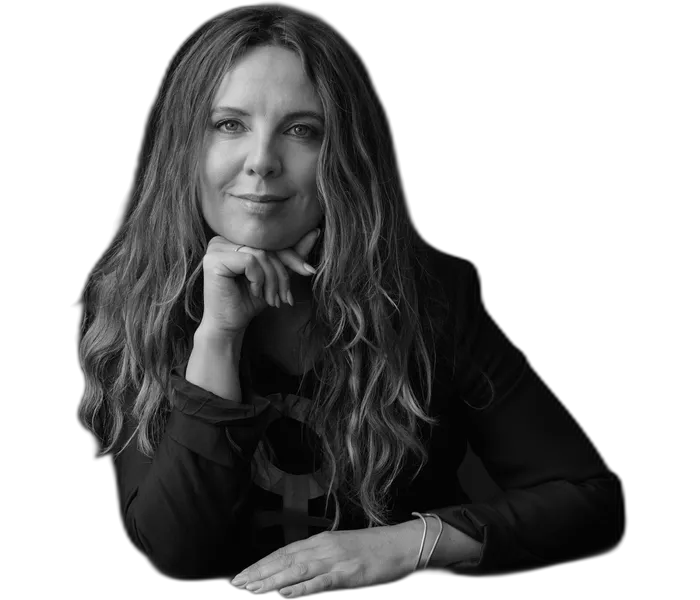
Sine Plambech
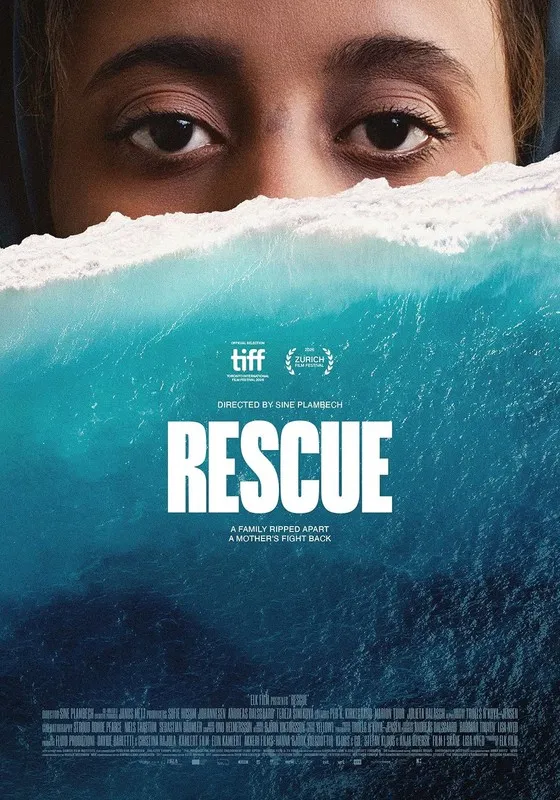
A very powerful woman's story
Filming a year aboard a Doctors Without Borders ship, an anthropologist witnessed a militia seize women and children at sea. The film follows one family through what came next, and traces the European money behind the kidnapping.
Rescue
20261023-plambech-rescue-in-a-nutshell

A Kingdom of Stargazers
Know something the rest of us don't?
Most threads on Rorotoko begin with our invitation. Any thread can begin with a proposal: you write it with the same prompts every thread answers, and we review it.
Propose a thread →