What is the RORO Thread? One sharp micro-interview. Cutting-edge of scholarship. The art we love.
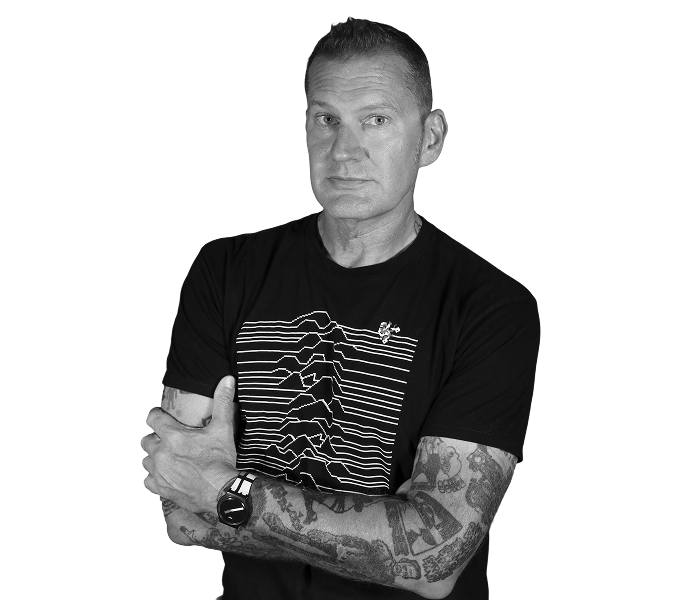
David R. Samson
June 22, 2026

The best jumping-off point here is with a paradox. Once I wrapped my head around it in graduate school and later as a postdoc, I became obsessed, because it's genuinely an interesting evolutionary puzzle.
Humans rely on sleep for essential life functions: for cognition, for visual-motor acuity, for decision-making, for social regulation – especially important for a social primate like us. For attraction even. There are some fascinating randomized-control studies that show, all things being equal, underslept people are less attractive. For resistance against injury if you're physically active. And, of course, for immune system priming. We know what it's like when we get a bad night's sleep. Just think back to the moment you were most sleep-deprived in your life. You can go down a laundry list of things it had a negative effect on.
So with all that set up: isn't it interesting that humans, Homo Sapiens, when we look across the entire primate order, sleep the least of any primate? At face value, you'd think — Homo Sapiens, we're bigger. We do everything more, with our big brains we consume more energy. You'd assume maybe we sleep the most. That's a fair hypothesis without even thinking about it. But we sleep the least. And when you control for evolutionary phylogeny — which, as an evolutionary biologist, is my job, making sure we're controlling for all the independent variables that could affect the outcome — it becomes an even more extreme difference. In fact, my colleagues and I have shown that not only do humans sleep the least of any primate, but we have the most REM, proportionally. So we have this really special, unique kind of sleep architecture relative to other primate species. What is going on? How did that happen?
That's the question the book attempts to answer. That's why it's called The Sleepless Ape.
Ongoing thread. More from David R. Samson to follow.
We don't have paywalls. We don't sell your data. Please help to keep this running!


.png)