


This week's threads
All the threads →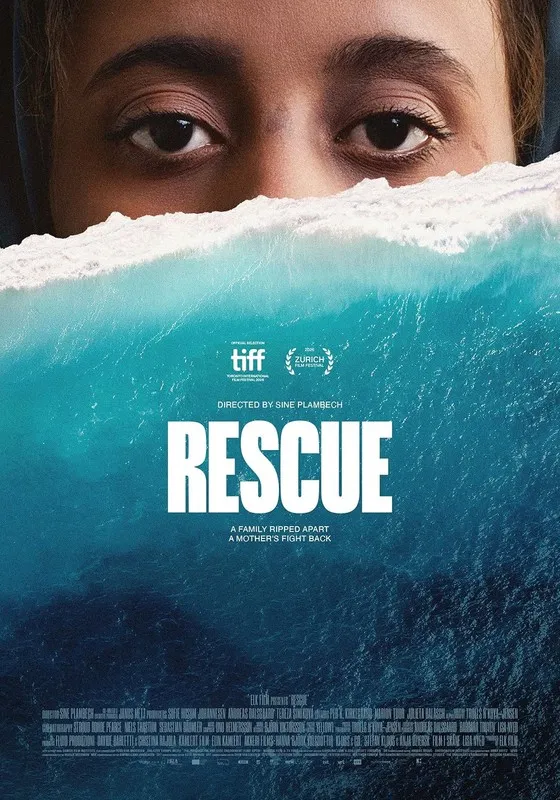
Sine Plambech
Arts /
Books /
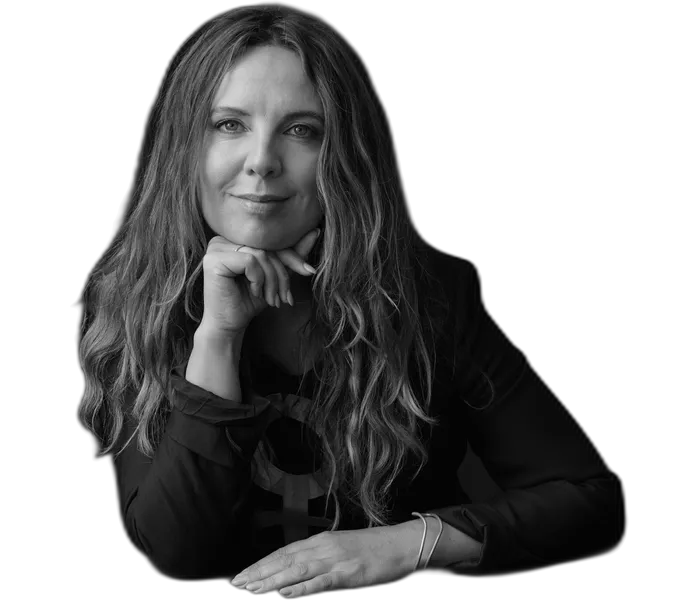
Sine Plambech
A very powerful woman's story
Filming a year aboard a Doctors Without Borders ship, an anthropologist witnessed a militia seize women and children at sea. The film follows one family through what came next, and traces the European money behind the kidnapping.
Rescue
20261023-plambech-rescue-in-a-nutshell
Read the thread →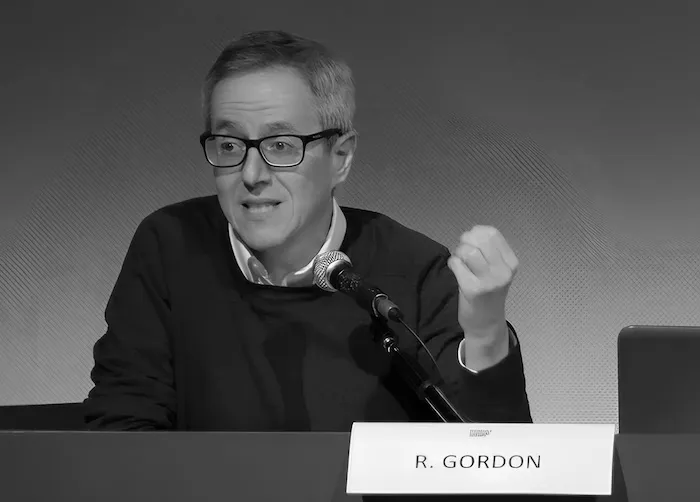
Robert S. C. Gordon
Books /
Robert S. C. Gordon
In a flash, one of them climbs onto the bike and rides off.
The war's aftermath has become a subject in its own right — a foundational moment of collapsed empires, new binaries and a world turned upside down. A 1948 film belongs squarely to that turn, and part of its strangeness is how deliberately it leaves the war out. Why is our hero unemployed? Why is there a gap of eight years between his two children? The film declines to answer, and the silence is the argument.
Bicycle Thieves
20261023-gordon-bicycle-thieves-the-wide-angle
Read the thread →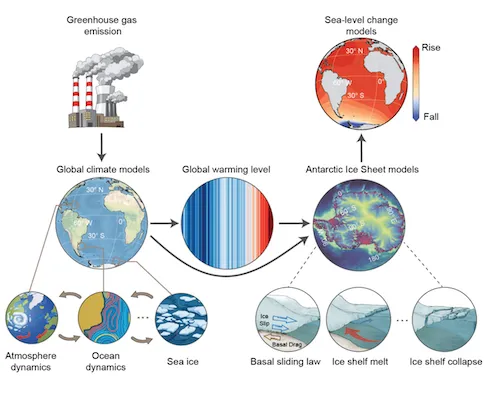

Yucheng Lin
Research /
Books /
Yucheng Lin
Even at 1.5 °C, Antarctica loses ice this century. How much is our choice.
One chart of projections that could not agree on whether Antarctica would raise or lower the seas set this work in motion. A chain of models, each adding blur, explains the disagreement. A fast emulator checked against two decades of gravity measurements from space cuts through it.
Committed Antarctic Ice Sheet mass loss by the end of the twenty-first century
20261022-lin-committed-antarctic-ice-sheet-mass-loss-by-the-end-of-the-twenty-first-century-the-wide-angle
Read the thread →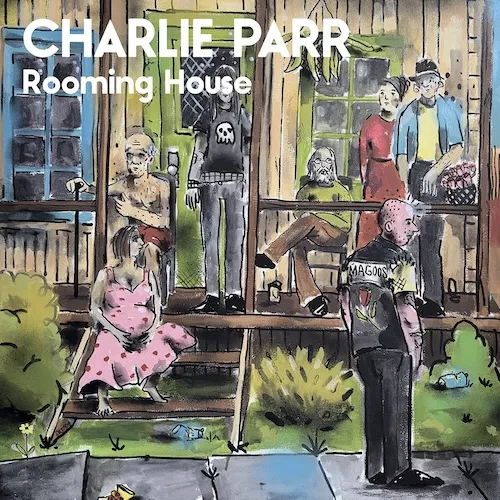
Charlie Parr
Arts /
Books /
Charlie Parr
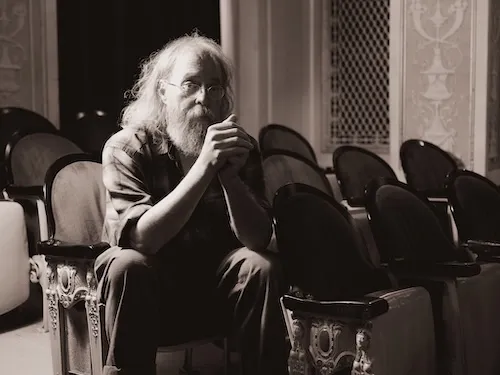
I didn’t write this about the world, I wrote it about myself.
A folk opera imagines a kitchen table where neighboring is a verb, empathy is not a bad word, and money does not decide who gets care. Everyone gets a seat.
Rooming House
20261022-parr-rooming-house-in-a-nutshell
Read the thread →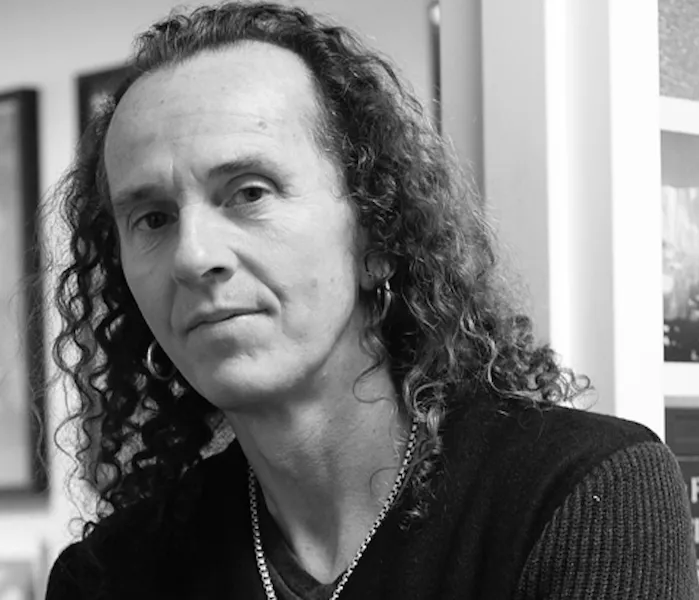
Murray Forman
Books /
Murray Forman
Hip-hop’s familiarity and appeal is cross-generational.
Hearing "Rapper's Delight" on the radio in 1979 outside New York and filing it as a novelty; hearing "The Message" three years later and realizing it wasn't. Then the mid-eighties reggae clubs where rap kept slipping into the breaks, and the late-eighties realization that the artists were his own age. Nobody building this in 1979 expected to be tagged a pioneer for life.
Old in the Game: Aging in and with Hip-Hop
20261022-forman-old-in-the-game-the-wide-angle
Read the thread →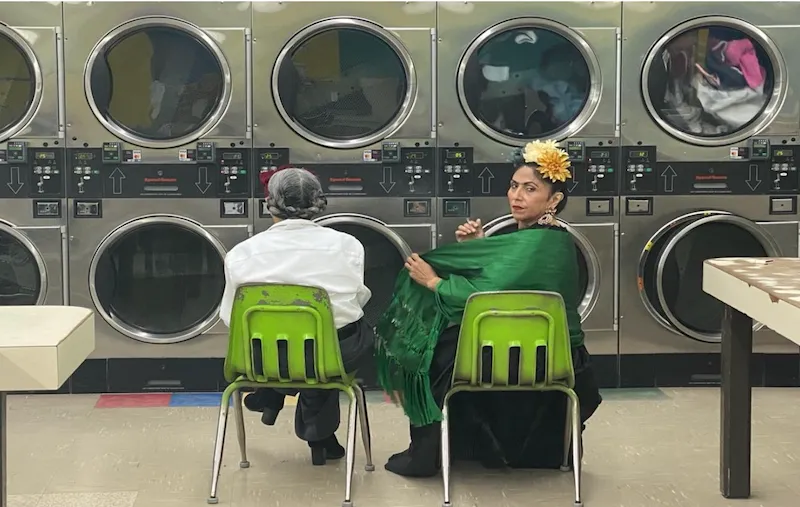
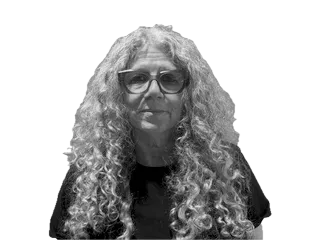
Trisha Ziff
Arts /
Books /
Trisha Ziff
The phenomenon of people dressing up as Frida, the lookalikes, is absolutely extraordinary.
A documentary that leaves out every painting and looks instead at the fascination itself: the merchandise, the lawsuits, the lookalikes. Who gets to own an icon, and what happens to an artist once she becomes a brand?
Frida: The Girl Just Doesn't Go Away
20261021-ziff-frida-in-a-nutshell
Read the thread →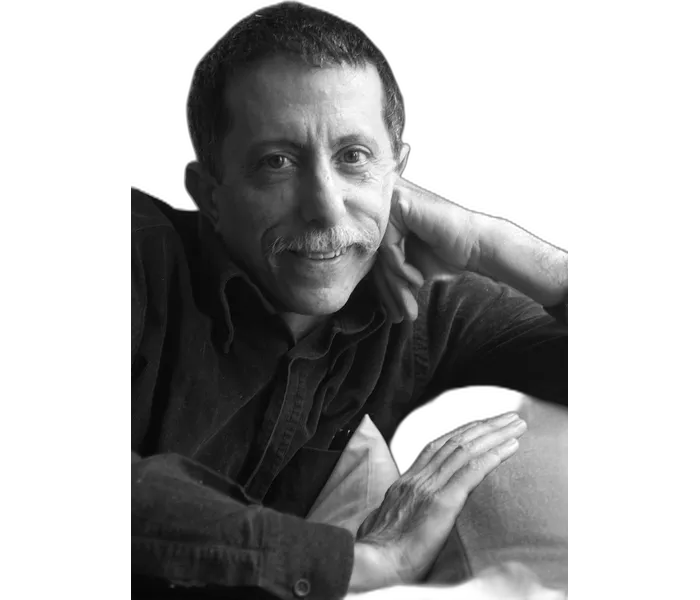
Richard Schweid
Books /
Richard Schweid
What to feed them as they grow from paralarvae to juveniles and finally to adults remains a mystery.
Fifty years of trying and nobody has farmed octopus commercially yet — but within a decade it will probably be in your supermarket. Reporting from Mexico, Spain and Japan, and from a stint working on a farm in the Yucatán, on a four-billion-dollar market and the question underneath it: is it defensible to farm the most intelligent invertebrate on earth? There are honest arguments on both sides, including for the animals.
Life on the Octopus Farm: The Ethics and Future of Growing the World's Most Intelligent Invertebrate
20261021-schweid-life-on-the-octopus-farm-in-a-nutshell
Read the thread →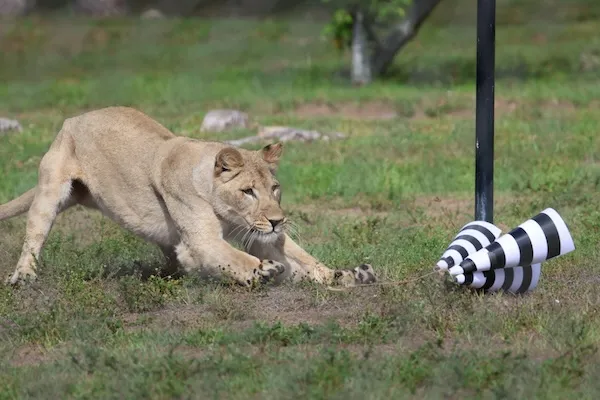
Isla C. Duporge
Research /
Books /
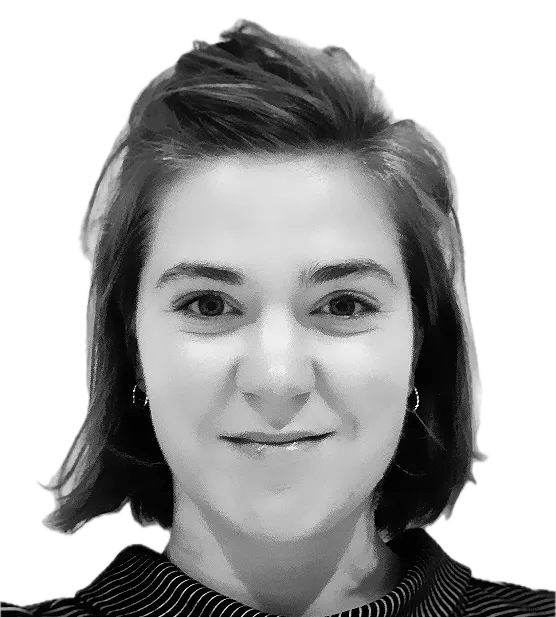
Isla C. Duporge
In the last seconds of a chase, lions rely on steering more than speed.
Early mornings at a Florida safari park, a drone held high above a lioness racing after a lure. Consumer drones, pose-tracking software and an unexpected partnership with a theoretical physicist made it possible, for the first time, to measure a large mammal's chase stride by stride.
Quantifying the control laws governing terminal attack in lions
20261020-duporge-terminal-attack-in-lions-the-wide-angle
Read the thread →
Treason on the Airwaves
Know something the rest of us don't?
Most threads on Rorotoko begin with our invitation. Any thread can begin with a proposal: you write it with the same prompts every thread answers, and we review it.
Propose a thread →